
Travel Guide to Belgium: Ghent, Dinant & Brussels Beyond the Tourist Trail
Discover the most beautiful places to visit in Belgium beyond the usual tourist spots. From the medieval canals of Ghent to the dramatic cliffs of Dinant and the hidden corners of Brussels, this travel guide reveals the fairy-tale magic of Belgium.
TRAVEL GUIDES
Annette Ghan
2/20/20263 min read
Belgium Is Not a Country — It’s a Fairy Tale (That Smells Like Chocolate and Rain)
Whenever I tell someone that Belgium is one of my favorite places in the world, they look at me strangely.
“Belgium? Isn’t it just Brussels and that’s it?”
That’s when I smile — because I know something they don’t.
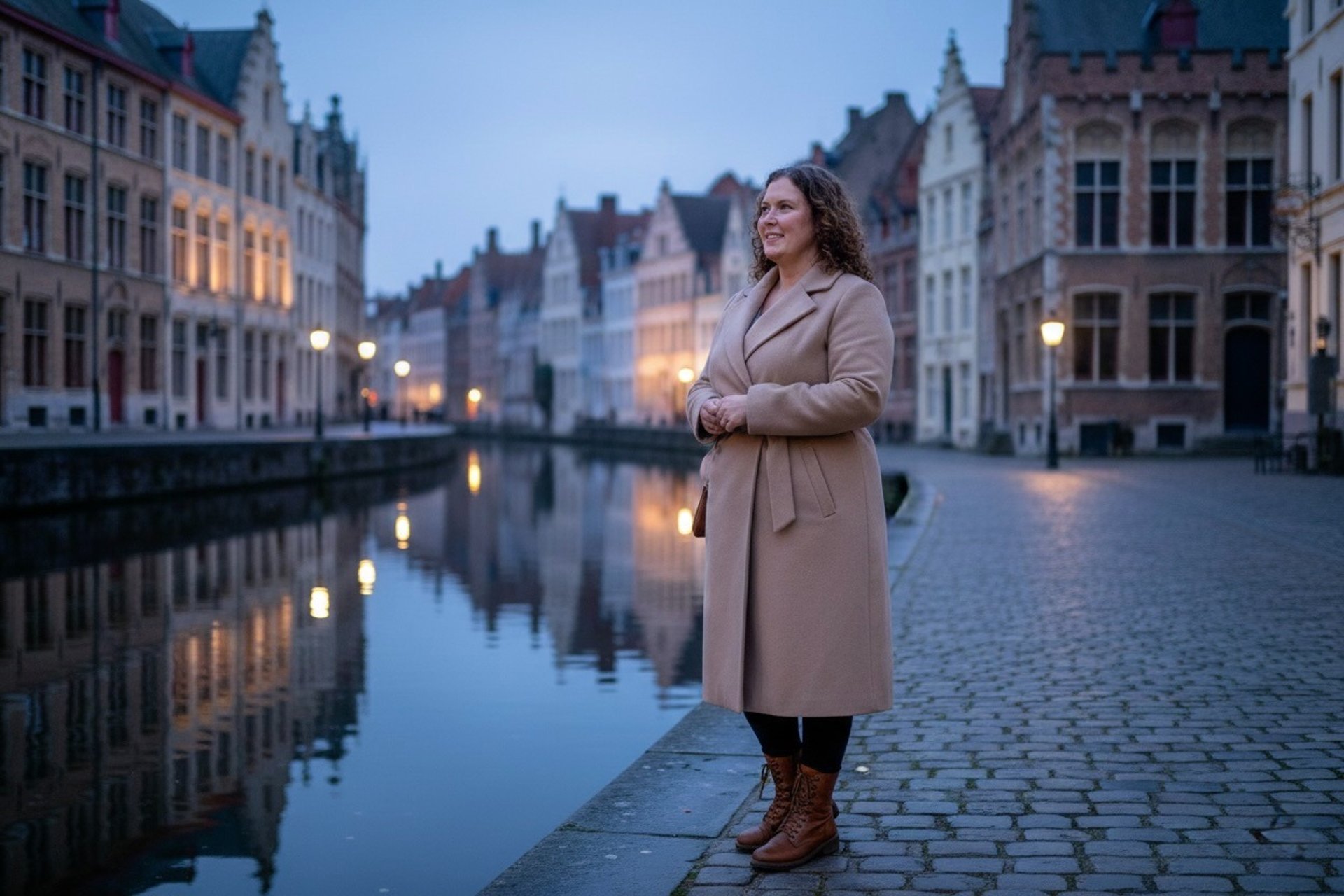
I remember walking through Ghent on a Tuesday in November at seven in the evening. There was no rush. The reflection of the medieval lights on the water of the Graslei canal made the city look like it was made of glass.
In that moment, I understood something important:
You don’t visit Belgium to see monuments — you visit to learn how to pause the clock.
If you’re ready for this country to steal your heart (and ruin your palate forever), these are the three stops where I left my traveler’s soul.

1. Ghent: Flanders’ Best-Kept Secret
If Bruges is the “Venice of the North” — and yes, it’s beautiful, but sometimes it feels like a museum — Ghent is the rebellious sister: alive, authentic, and effortlessly cool.
This university city has castles in the middle of the street and an energy that pulls you in without trying too hard.
What You Absolutely Must Do
Climb the Castle of the Counts (Gravensteen) at sunset. The views alone are worth it.
But don’t stop at the history.
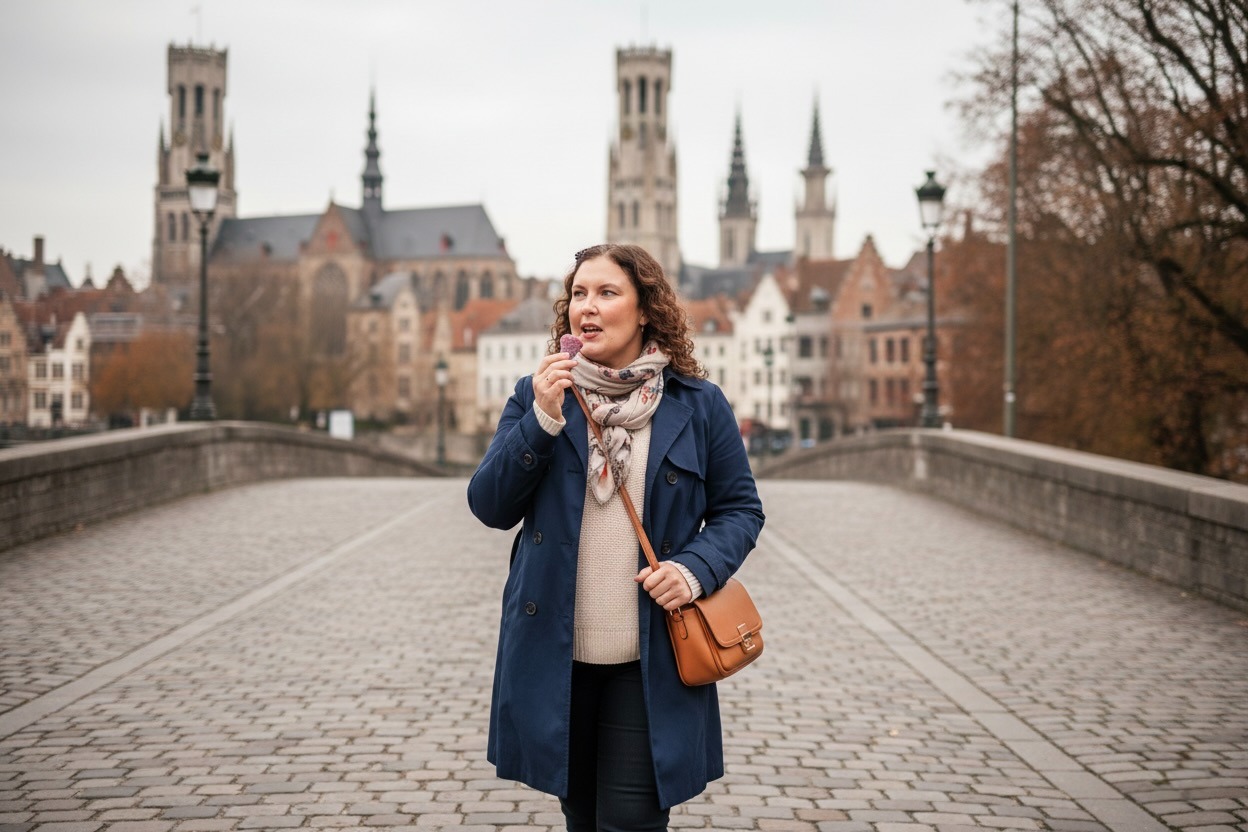
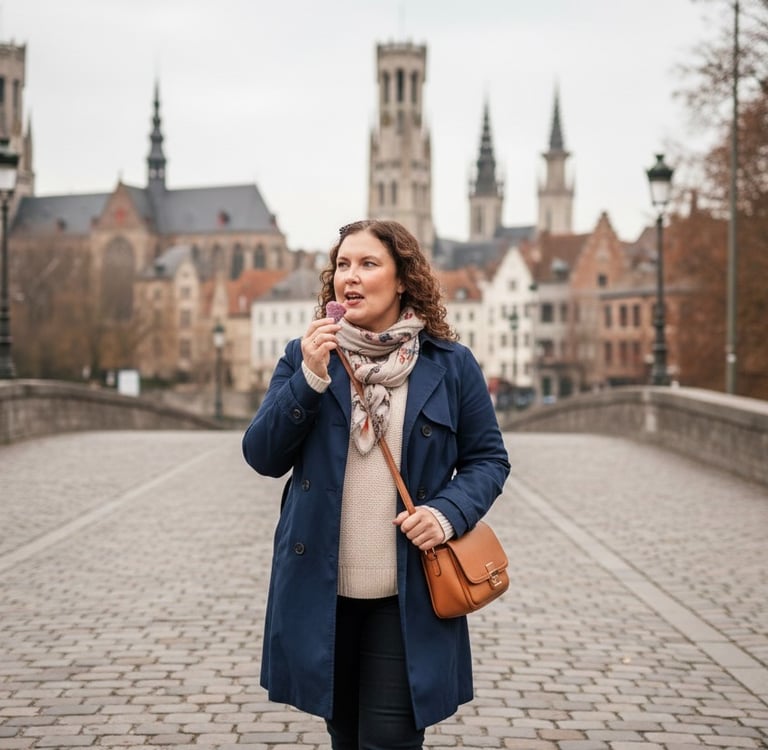
When you come out, find a small shop selling cuberdons — those nose-shaped raspberry-filled sweets. Eating them while you walk across St. Michael’s Bridge is, quite literally, tasting Belgium.
2. Dinant: A Sigh Between the Rock and the River
Many travelers stay in the north. Big mistake.
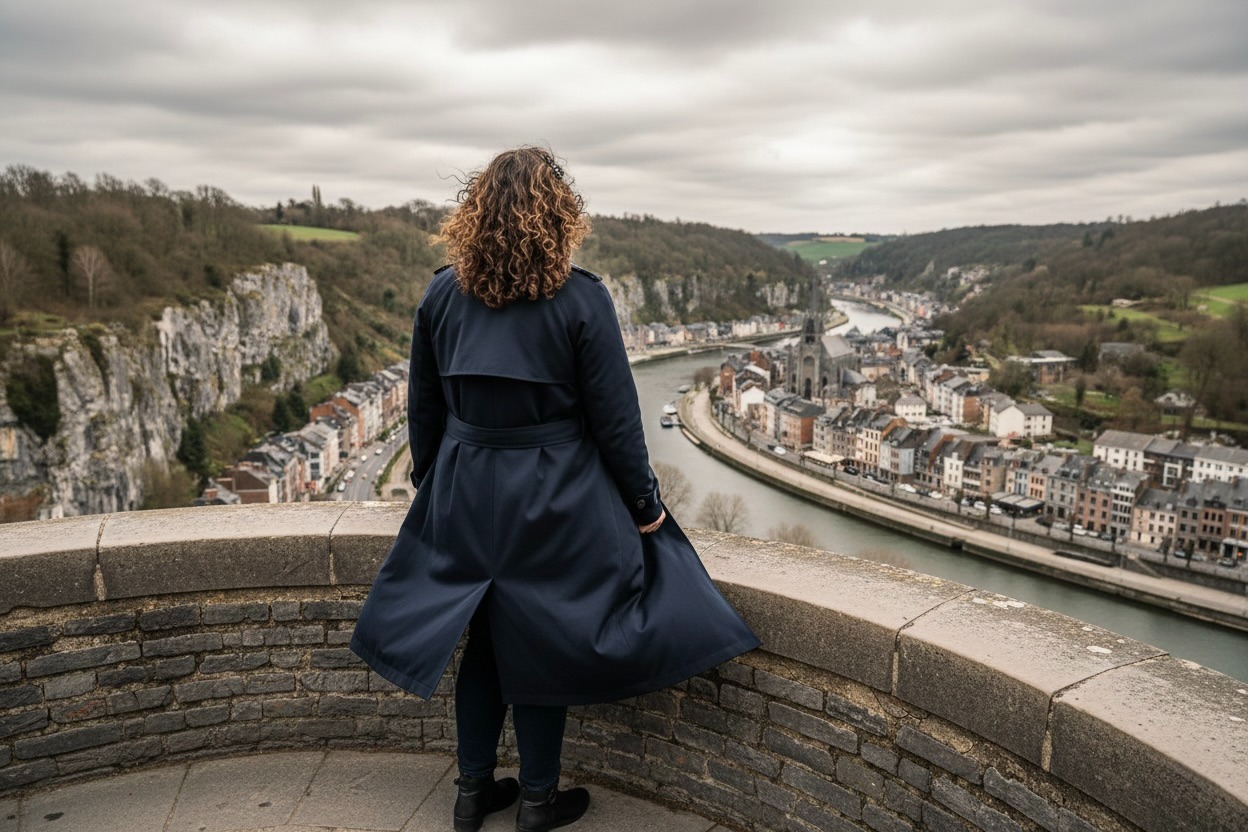
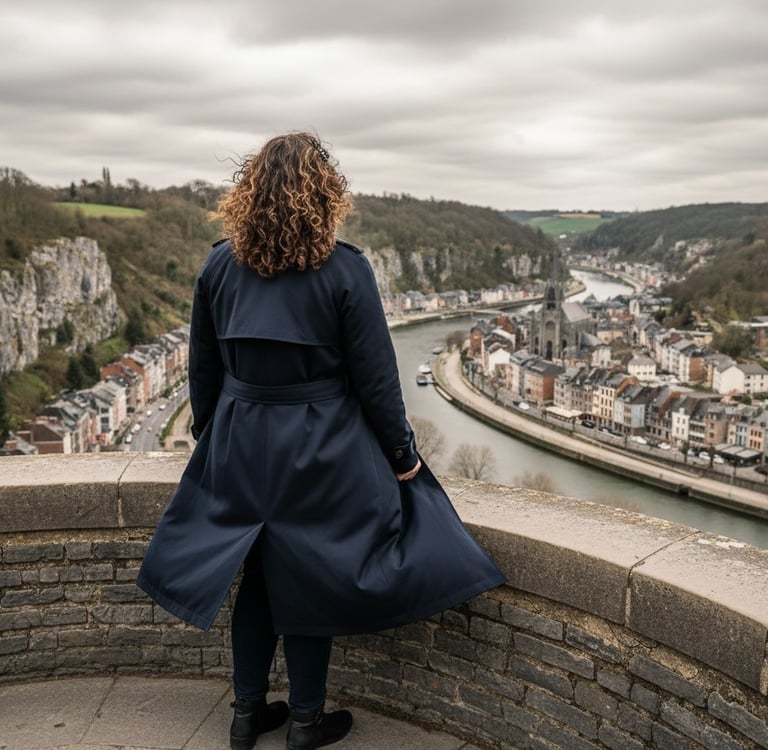
Head down toward Wallonia and you’ll discover Dinant — a narrow town squeezed dramatically between a vertical cliff and the Meuse River.
It’s also the birthplace of Adolphe Sax, the inventor of the saxophone, which explains the colorful sax sculptures scattered throughout the town.
The Real Experience
Take the cable car up to the Citadel.
From above, the river looks like a ribbon of blue silk. It’s here that you understand something essential about Belgium:
Its beauty isn’t about distance — it’s about vertical drama.
3. Brussels: Beyond the Grand Place
Yes — the Grand Place may be the most beautiful square in Europe. I won’t argue with that.
But my favorite Brussels memory isn’t the postcard view.
It’s getting lost in the Les Marolles neighborhood on a Sunday morning, wandering slowly through the Vieux Marché flea market, where you can find everything from old Jacques Brel records to Art Nouveau treasures.
The Mandatory Ritual
Before you leave the city, step into an authentic tavern like A la Mort Subite.
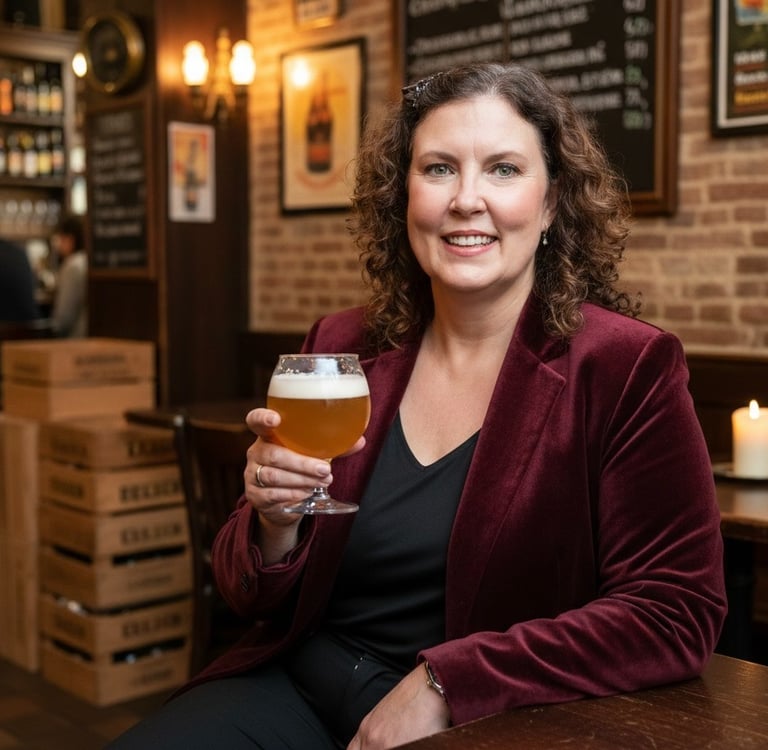
Order a Gueuze or a Lambic beer.
It’s sour. Complex. Unapologetically different.
In other words: it tastes exactly like Belgian tradition — not trying to please everyone, and therefore unforgettable.
The Quiet Magic of Belgium
Belgium taught me that real magic lives in the details:
the steam rising from a freshly made waffle
the soft clink of bicycle wheels over cobblestones
that pearl-gray light that seems to exist only here
This is not a country that tries to impress you loudly.
It wins you over slowly.
My Advice as Your Trusted Travel Insider
Belgium is small — beautifully, dangerously small.
You can have breakfast in one city, lunch in another, and dinner in a third. But here’s the mistake most people make:
They try to see everything.
Don’t.
Choose two or three corners.
Bring a good coat.
Walk slowly.
Look up often.
Because Belgium doesn’t shout its beauty.
It whispers it in your ear while you wander down a quiet, dead-end street.